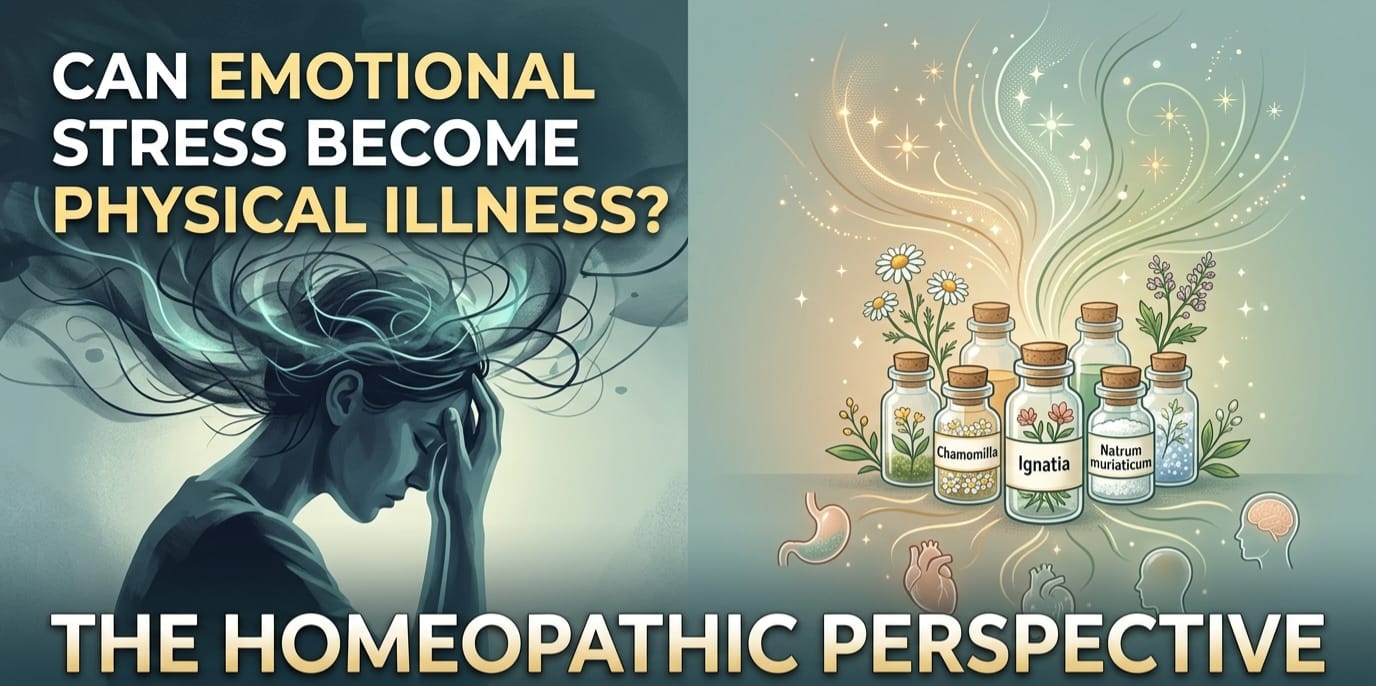
Can Emotional Stress Become Physical disease? - A Homoeopathic Perspective
"The greatest healing therapy is friendship and love."-- Dr. Samuel Hahnemann
"Sometimes the body whispers the pain that the heart is unable to speak.
- In today's rapidly changing world, emotional stress has silently become one of the most common struggles of human life. Behind smiling faces, busy schedules, and social media posts, many people carry hidden anxiety, fear, loneliness, disappointment, and emotional exhaustion. While stress is often considered a mental burden, its effects are not limited to the mind alone. Slowly and silently, emotional suffering may begin to influence the physical body as well.
- Modern science now accepts the concept of psychosomatic disorders, where emotional disturbances contribute significantly to physical illness. However, Homoeopathy recognized this deep connection between mind and body long before it became widely discussed. According to the homoeopathic approach, a human cannot be divided into separate parts. The mind and body work together, and disturbance in one naturally affects the other.
As a student of Homoeopathy, I find this concept both fascinating and meaningful because it allows us to understand disease in a more human and holistic manner:
- Homoeopathy does not simply ask, "What disease does the patient have?" Instead, it asks, "What kind of person is suffering from this disease?" This difference irrespective makes Homoeopathy unique.
- Today, emotional stress has become unavoidable in many forms. Students face academic pressure and fear of failure. Adults struggle with financial responsibilities competition, and relationship problems. Many individuals silently suppress emotions because they fear judgment or misunderstanding. Unfortunately, emotions that remain continuously suppressed often find another way to express themselves - through the body.
- A person dealing with constant anxiety may develop acidity, palpitations, headaches, or sleeplessness. Emotional grief may trigger migraine attacks or digestive disturbances. Stress can worsen skin diseases such as eczema and psoriasis. Hormonal imbalance, menstrual irregularities, hypertension, and chronic fatigue are also commonly linked with emotional strain. In such cases, the body becomes a reflection of the mind's suffering.
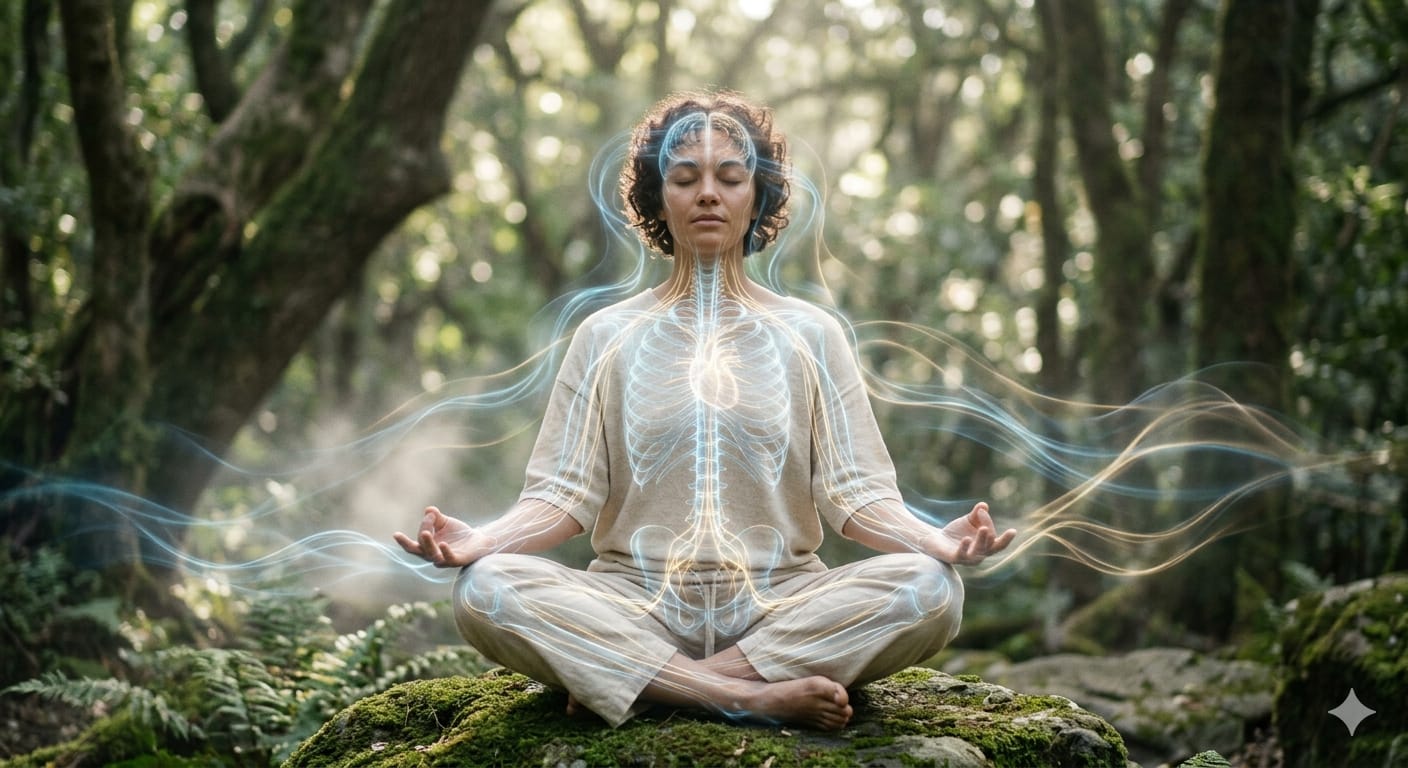 The mind and body are not separate. What affects one, affects the other."
- Homoeopathy pays special attention to these emotional causations while selecting a remedy. During case-taking, the homoeopathic physician carefully studies not only physical symptoms but also the patient's fears, anxieties, temperament, habits, emotional reactions, and personal experiences. Two individuals may suffer from the same physical complaint, yet they may require entirely different medicines because their emotional states are different.
- Certain homoeopathic remedies beautifully demonstrate this mind-body relationship. Ignatia is often associated with silent grief, emotional disappointment, and suppressed feelings. Natrum Muriaticum is commonly seen in individuals who suffer quietly and find it difficult to express emotions. Argentum Nitricum reflects anticipatory anxiety and nervousness, especially before important events, while Aurum Metallicum is linked with deep hopelessness and emotional despair. These remedies show how deeply Homoeopathy studies the individuality of each patient.
In modern times, social media has also increased emotional pressure in subtle ways People constantly compare their lives with others and feel the need to appear perfect successful, or happy. Many individuals suffer silently behind filtered photographs and temporary online validation. Emotional exhaustion has become common, yet genuine emotional conversations have become rare.
"Not every wound is visible, and not every illness begins in the body."
This is why the role of a homoeopathic physician extends beyond prescribing medicine. A physician must also become a patient listener and careful observer. Sometimes healing begins the moment a patient feels truly heard and understood Compassion, empathy, and patience are as important in healing as medicines themselves.
Dr. Hahnemann beautifully emphasized the importance of understanding the patient as a whole rather than merely focusing on isolated symptoms. Homoeopathy believes that true cure should restore harmony not only in the body but also in the emotional and mental state of the individual.
In conclusion, emotional stress can indeed become physical disease when ignored for a long period of time. The body often carries the burden of emotions that the mind is unable to release. Homoeopathy recognizes this intimate relationship between emotional and physical health and aims to heal the individual in a holistic and individualized manner.
'Perhaps true healing begins not when the disease disappears, but when the patient finally feels understood."